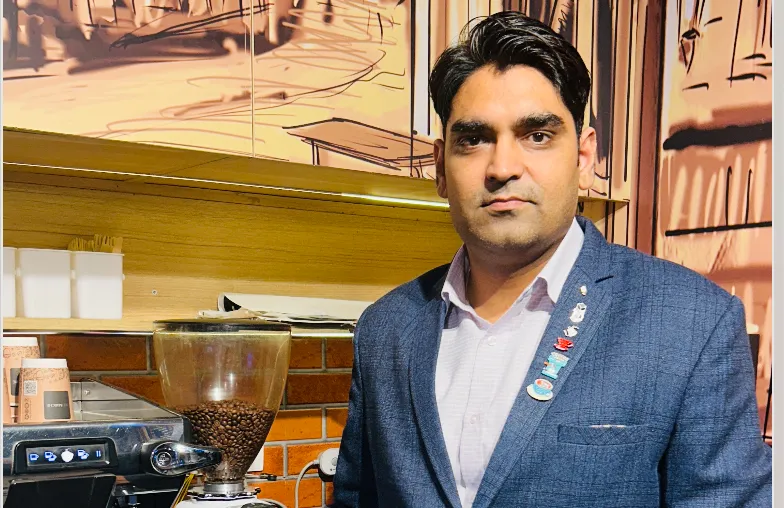
By Ravvi Arrya
For many people, making coffee is as simple as adding coffee powder to hot water. But behind a great cup of coffee is a surprisingly complicated process. The temperature of the water, size of the coffee grounds, amount of water and brewing time can all change how the final cup tastes.
This is where technology, including artificial intelligence (AI), is beginning to make a difference.
AI-Assisted Brewing
Modern coffee machines can monitor and control several parts of the brewing process that people traditionally had to manage themselves. Temperature, water flow, brewing time and the quantity of coffee can be precisely controlled.
The Specialty Coffee Association (SCA) says brewing involves several variables, including grind size, water temperature, hardness of water, coffee-to-water ratio and contact time. Its brewing guidance uses around 55 grams of coffee per litre of water as a reference point.
AI can take this a step further by analysing information from previous brews and adjusting settings. In simple terms, the machine can learn what worked before and use that information to repeat or modify the process.
Smart Grinders: Where Technology Meets the Bean
The grinder is one of the most important pieces of coffee equipment. The size of the coffee particles affects how quickly water passes through them and how much flavour is extracted.
Smart and digitally controlled grinders can offer very precise adjustments. For example, modern grinders can provide different settings for espresso, filter coffee and cold brew. Fellow's Opus 1, for example, allows timed grinding and fine adjustments for different brewing methods.
This matters because a grind that is too fine can make coffee taste bitter, while one that is too coarse can produce a weak or sour cup. Professional calls it as under extraction or over extraction. Even Fellow advises changing the grind based on the taste of the coffee.
Personalised Brewing Profiles
Imagine a coffee machine that remembers that you prefer a stronger, more intense cup in the morning but a lighter coffee in the afternoon.
That is the basic idea behind personalised brewing profiles. Instead of using one setting for everyone, connected coffee equipment can store preferences for different users and adjust parameters such as grind size, dose, water temperature and brewing time.
The technology is essentially turning coffee-making into a data-driven process: your previous cup becomes information for your next cup.
But Can AI Replace a Coffee Expert?
Not really.
Technology can measure temperature and time with great precision, but coffee is still a sensory experience. A skilled barista can smell the beans, taste the coffee and recognise subtle differences that a machine may not fully understand.
Even the equipment manufacturers acknowledge that factors such as bean type, freshness, humidity and the espresso machine itself can affect the required grind setting.
So, AI may help remove some of the guesswork from brewing, but human expertise still matters. The future of coffee is therefore less about AI versus the barista and more about AI helping the barista—or the home coffee drinker—make better and more consistent decisions.
-The Author is Beverage Expert